


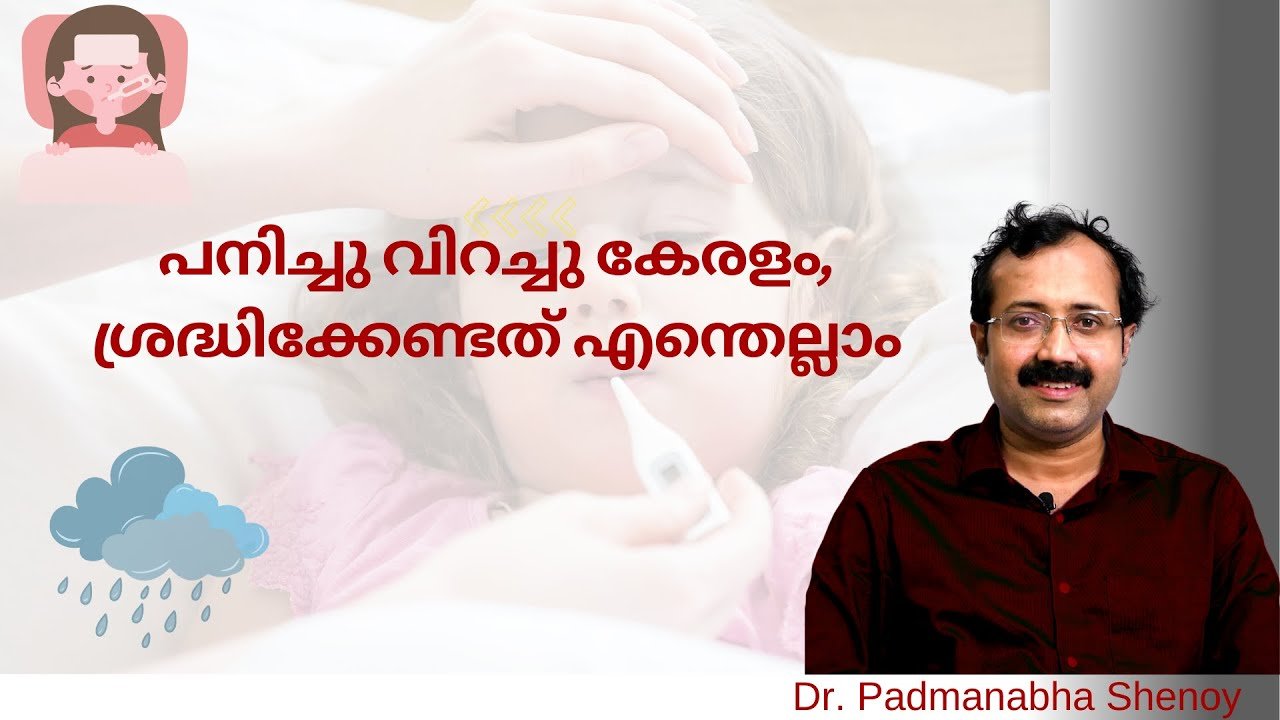
പനിച്ചു വിറച്ചു കേരളം, ശ്രദ്ധിക്കേണ്ടത് എന്തെല്ലാം? #arthritis #health #fever #healthtips
Overview
The monsoon season in Kerala is often synonymous with a rise in seasonal fevers. For the general public, these illnesses are usually manageable, but for patients with arthritis and other autoimmune conditions, extra caution is necessary. This is because many rheumatology patients are on immunosuppressive medications—drugs that lower the immune system's activity—or may have underlying lung involvement related to their condition. This article explores common monsoon fevers like influenza, dengue, and leptospirosis, and provides essential guidance for those managing chronic rheumatic diseases.
Key Points
- Understanding Common Fevers: The most frequent illnesses during this period include influenza (viral fever), dengue, leptospirosis (rat fever), and water-borne infections like Hepatitis A and gastroenteritis.
- Influenza vs. Dengue: Influenza typically presents with respiratory symptoms like a cough, sore throat, and runny nose. In contrast, Dengue is characterized by severe body aches, extreme exhaustion, and a persistent high fever, usually without the runny nose or cough.
- Leptospirosis (Rat Fever) Prevention: This bacterial infection enters the body through skin cuts when in contact with contaminated water. High-risk individuals should wear protective boots. A significant symptom of leptospirosis is severe calf muscle pain and tenderness.
- Medication Awareness: Patients on high-dose steroids (above 10mg), biologics, or those with lung and kidney complications are at a higher risk of severe infection. If you are on mild medications like HCQ or low-dose methotrexate, your risk is generally lower, but monitoring is still vital.
- The Power of Rest: Adequate rest allows the immune system to focus on clearing the virus. Avoid overexertion during a fever, as it can lead to further complications.
- Hygiene and Vaccination: Always drink boiled water and eat freshly cooked, hot food to avoid water-borne diseases. For older patients or those on potent immunosuppressants, an annual influenza vaccine is highly recommended to reduce the risk of severe viral complications.
- Protecting the Household: Since children often bring viruses home from school, arthritis patients should maintain a safe distance from symptomatic family members and encourage the use of masks within the home during the recovery period.
When to Consult a Doctor
While a mild fever can often be monitored at home for the first 24 hours, certain "red flags" require immediate medical attention. Consult a rheumatologist or physician if the fever persists beyond two days, or if you experience shortness of breath, chest pain, or severe headaches. Other critical warning signs include decreased urine output, confusion or changes in speech, and an inability to walk due to extreme weakness. Patients on biologics or high-dose steroids should have a lower threshold for seeking help, as their infections can escalate quickly.
Bottom Line
Monsoon fevers are common, but with proactive hygiene, proper rest, and timely medical consultation, they can be managed safely. Arthritis patients must stay vigilant regarding their immune status and prioritize preventive measures like vaccinations and clean drinking water to ensure a safe season.


